That Panicked Voice Call From Family Could Be an AI Clone: 7 Checks Before You Send Money
You get a call. It sounds like your son, your mother, or your brother, crying and scared, saying they are in trouble and need money right now. The voice feels real because it was built to. Before you send a single rupee, stop and check.
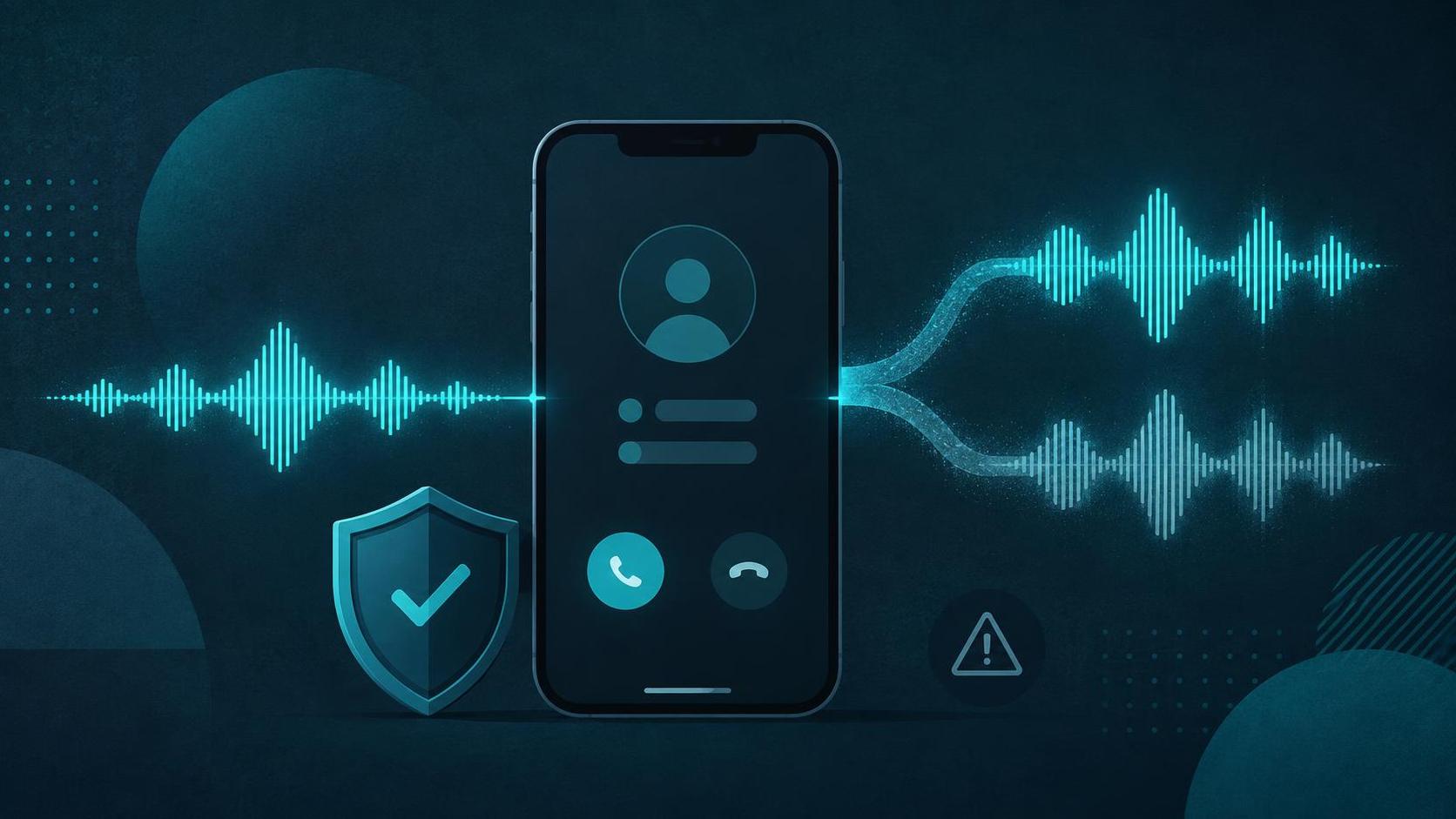
Voice cloning used to need a studio and hours of recordings. Now cheap AI tools can copy a person's voice from a few seconds of audio, and there is plenty of audio to steal. A voice note on WhatsApp, a reel, a wedding video, a YouTube clip, or even a normal phone call can be enough. Scammers take that sample, generate a fake voice, and use it to fake an emergency.
The script is almost always the same. A loved one has had an accident, been arrested, been kidnapped, or is stuck abroad, and they need money transferred immediately or something terrible will happen. The whole attack runs on panic. When you hear a familiar voice in tears, your instinct is to help first and think later. That gap is exactly what the scam is built to exploit.
The simple rule: A familiar voice is no longer proof of who is calling. Never send money on a panicked call alone. Hang up and reach the real person on their own number before you act.
1. The call pushes urgency and secrecy
Fake emergency calls demand money in minutes and often tell you not to call anyone else. You may hear do not tell dad, do not call the police, or there is no time to explain. Real emergencies rarely forbid you from checking with family. When a call rushes you and asks for secrecy at the same time, treat that combination alone as a warning sign and slow down.
2. The story needs money sent a strange way
Cloned-voice scams push payment through channels that are hard to reverse: UPI to an unknown ID, a gift card code read out over the phone, cryptocurrency, or a transfer to a lawyer or officer you have never met. A genuine relative in trouble does not usually route money through a stranger. If the payment method is odd or one-way, the emergency is probably fake.
3. The caller avoids anything only the real person knows
Ask a question the scammer cannot answer, such as a shared memory, a nickname, or a detail from last week. A cloned voice can copy the sound, not the shared history. Fakes deflect with the line is bad, I am too scared, just help me, rather than answering. If the person cannot confirm something simple that only your real relative would know, do not trust the call.
4. The number is not their real number
Look at where the call actually comes from. Scammers use unknown numbers, foreign codes, or WhatsApp calls and claim they lost or broke their phone. Caller ID can also be spoofed to show a name. The safest move is to hang up and call the person back yourself on the number you already have saved. If the real person answers safe at home, you have your answer.
5. The audio has odd gaps, tone, or timing
Cloned voices can sound convincing but often slip. Listen for a flat emotional tone, strange pauses, words that do not quite match the breathing, background noise that never changes, or replies that lag as if being typed and generated. If the person cannot hold a natural back-and-forth conversation and only repeats the same plea, that stiffness is a strong clue the voice is synthetic.
6. A second stranger takes over the call
Many versions hand you to a police officer, doctor, lawyer, or kidnapper who explains the situation and collects the money. This authority figure adds pressure and keeps you on the line so you cannot verify. No real official collects bail, hospital fees, or fines through a UPI transfer during a live call. The moment a stranger takes over to demand payment, treat it as a scam.
7. The request grows after the first payment
If someone does pay, the story rarely ends. There is a new fee, a complication, another officer, one more transfer to fix everything. Scammers push as long as fear and money last. A real emergency does not keep expanding into fresh payments. Escalating demands after you have already sent money are a clear sign you are being worked, not helped.
How to verify a scary call the safe way
Hang up and call the person directly on their saved number, or message them on a channel you trust. Call another family member to confirm where they really are. Agree on a family safe word now, a private word you can ask for during any emergency call, so a real relative can prove it is them and a clone cannot. If in doubt, wait a few minutes. Real loved ones will understand a short pause to confirm the truth.
What to do if you already sent money
Contact your bank at once and ask them to freeze or reverse the transfer, and block your card if you shared details. Save the number, the time, any recording, and screenshots. In India, report financial fraud through 1930 and cybercrime.gov.in as fast as possible, because quick reporting improves the chance of recovery. Then tell your family so they are ready if the same voice calls them next.
The family rule for emergency calls
Set one rule at home: no money moves on the strength of a voice alone. Every emergency call gets verified through a callback and a safe word first. This protects parents and grandparents most, since they are the usual targets and may not know voices can now be faked. Talk about it before it happens, so nobody is deciding under pressure for the first time in the middle of the scam.
How FakeOut helps
Voice scams often arrive alongside fake images and screenshots: a forged accident photo, a fake police notice, an edited hospital bill, or a doctored ID sent to prove the story. FakeOut helps you check whether an image or screenshot may have been manipulated before you trust it, pay from it, or forward it to worried family.