Why Content Credentials Haven't Fixed the Fake Image Problem Yet
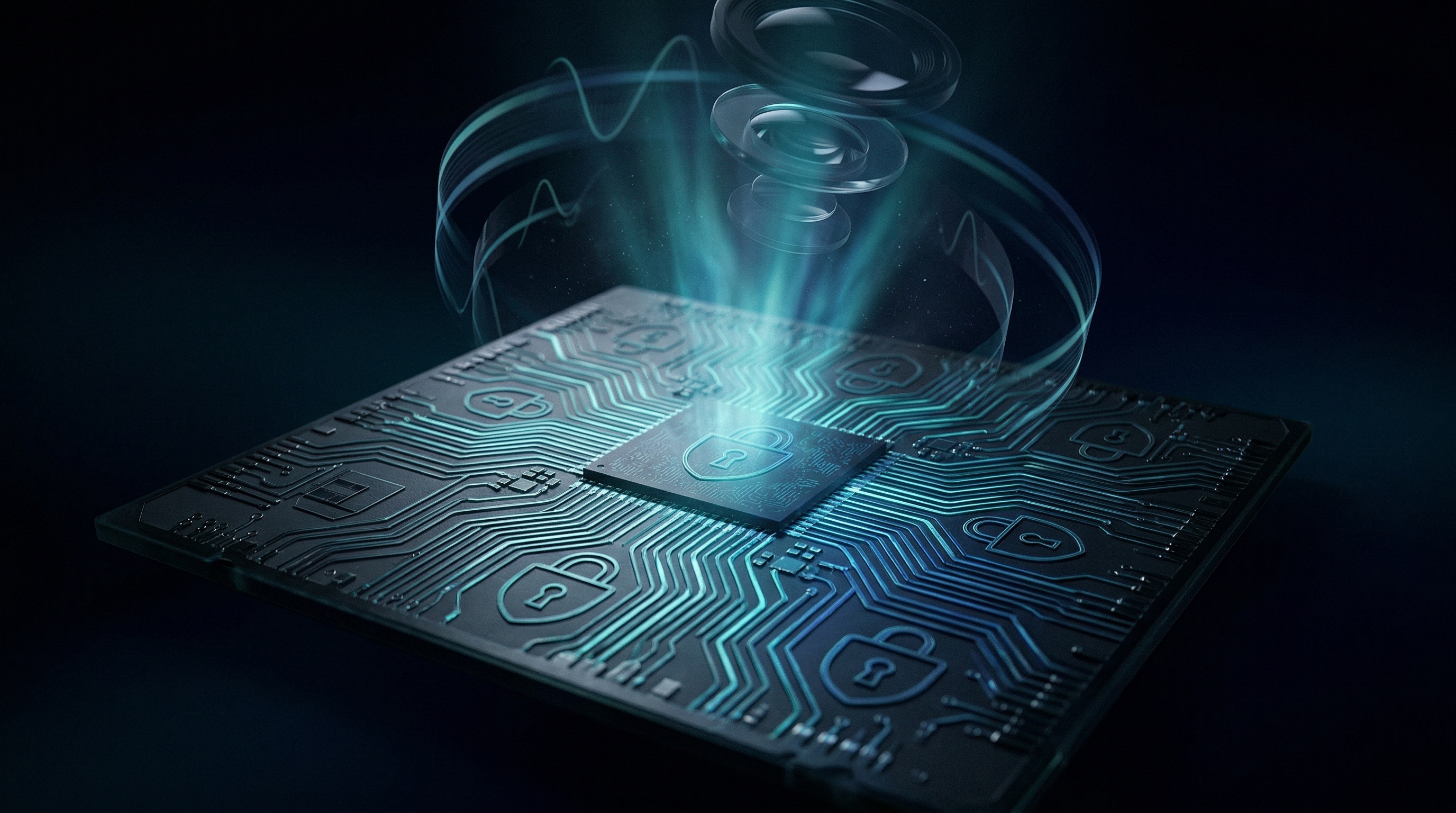
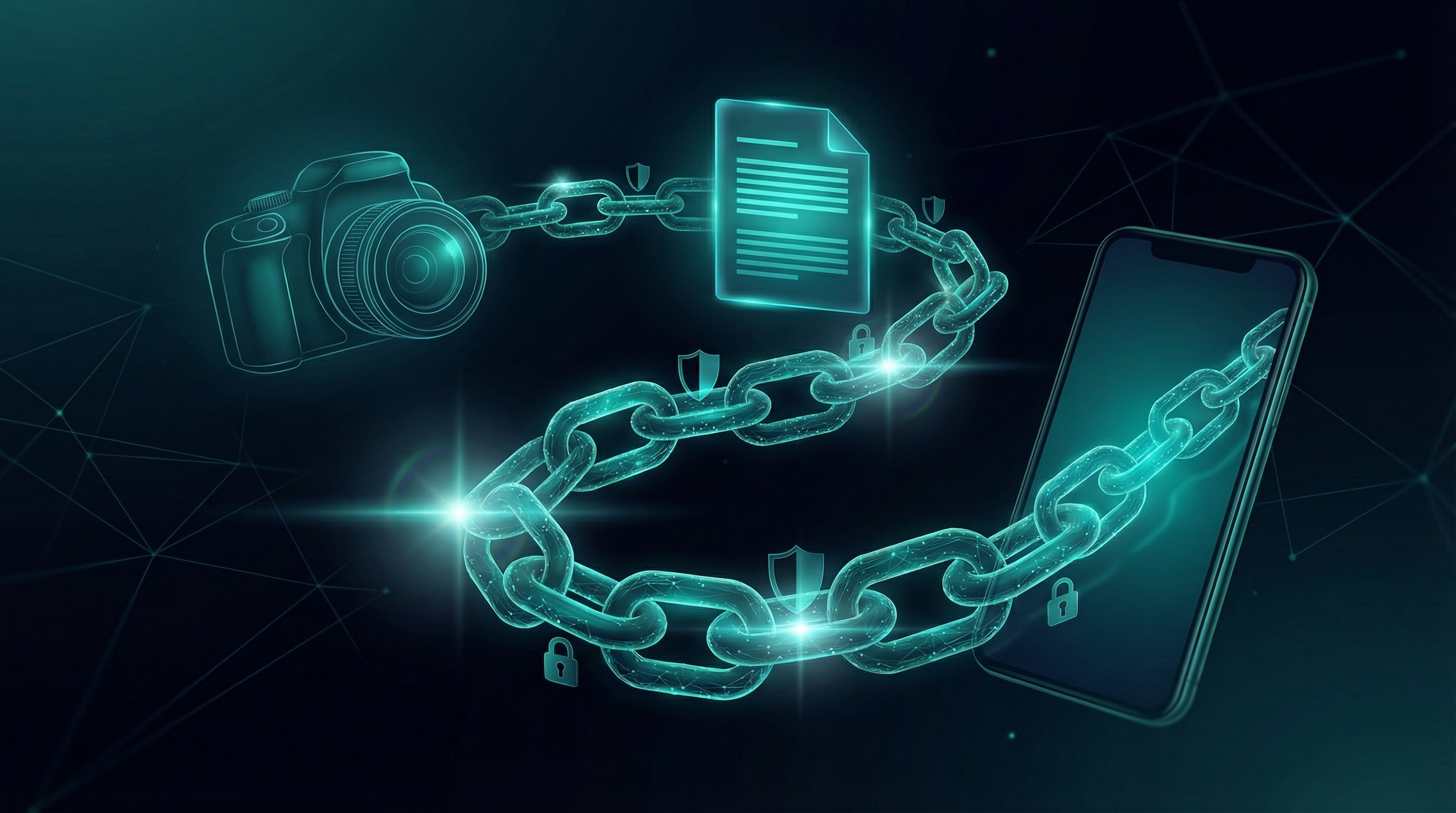
C2PA and content credentials promised to label every AI image. A new Microsoft report explains why the system is still broken — and what needs to change.
Expert guides on detecting AI-generated images, identifying deepfakes, and fact-checking misinformation.
C2PA and content credentials promised to label every AI image. A new Microsoft report explains why the system is still broken — and what needs to change.
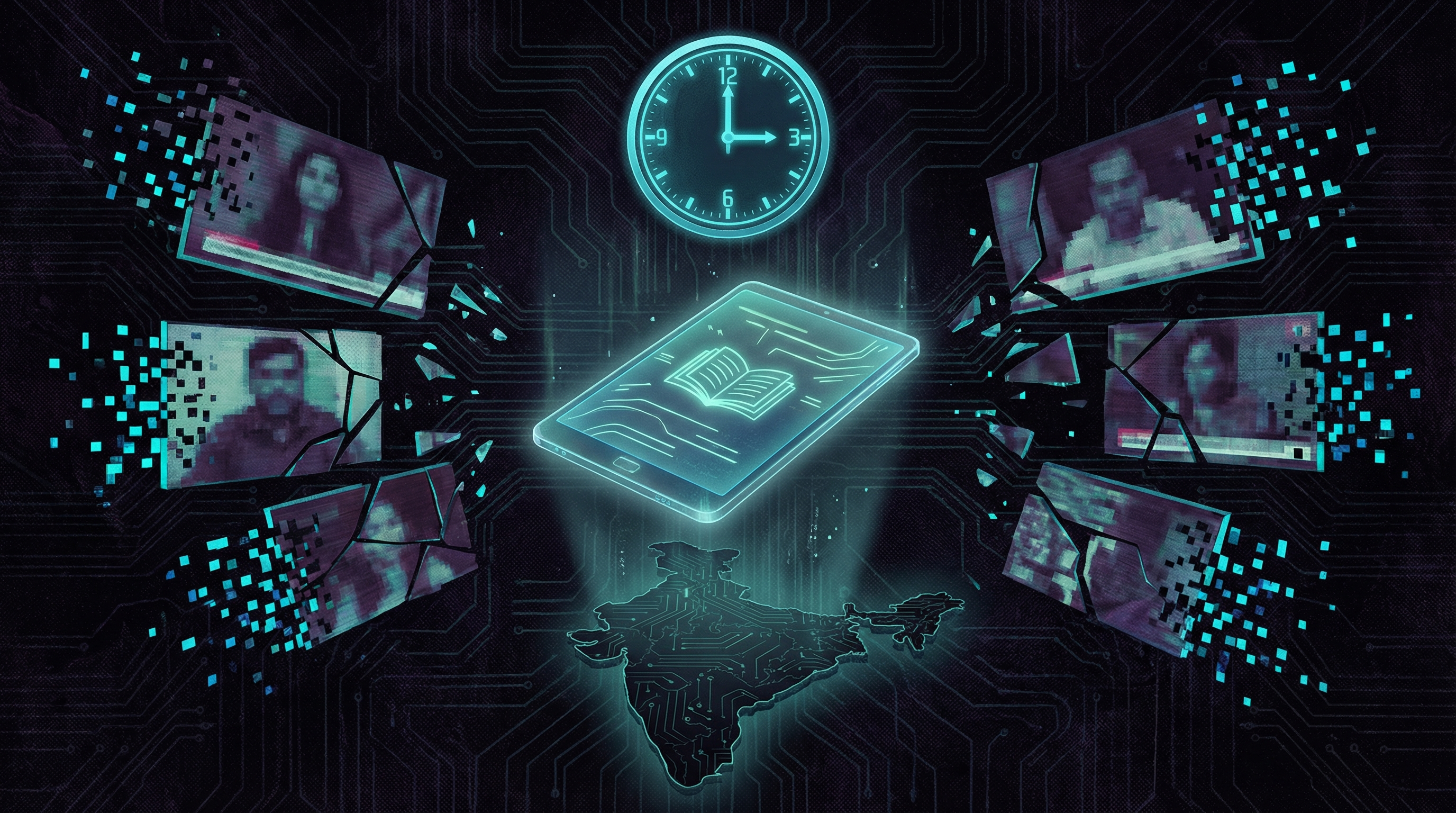
India's IT Rules 2026 force platforms to remove deepfakes within 3 hours and mandate AI content labelling. What the MeitY amendment actually says — and what it still leaves open.
A growing industry of small-town AI creators in India produces deepfake videos of dead relatives for weddings and rituals. As demand surges, India's new IT Rules force platforms to delete deepfakes within three hours.
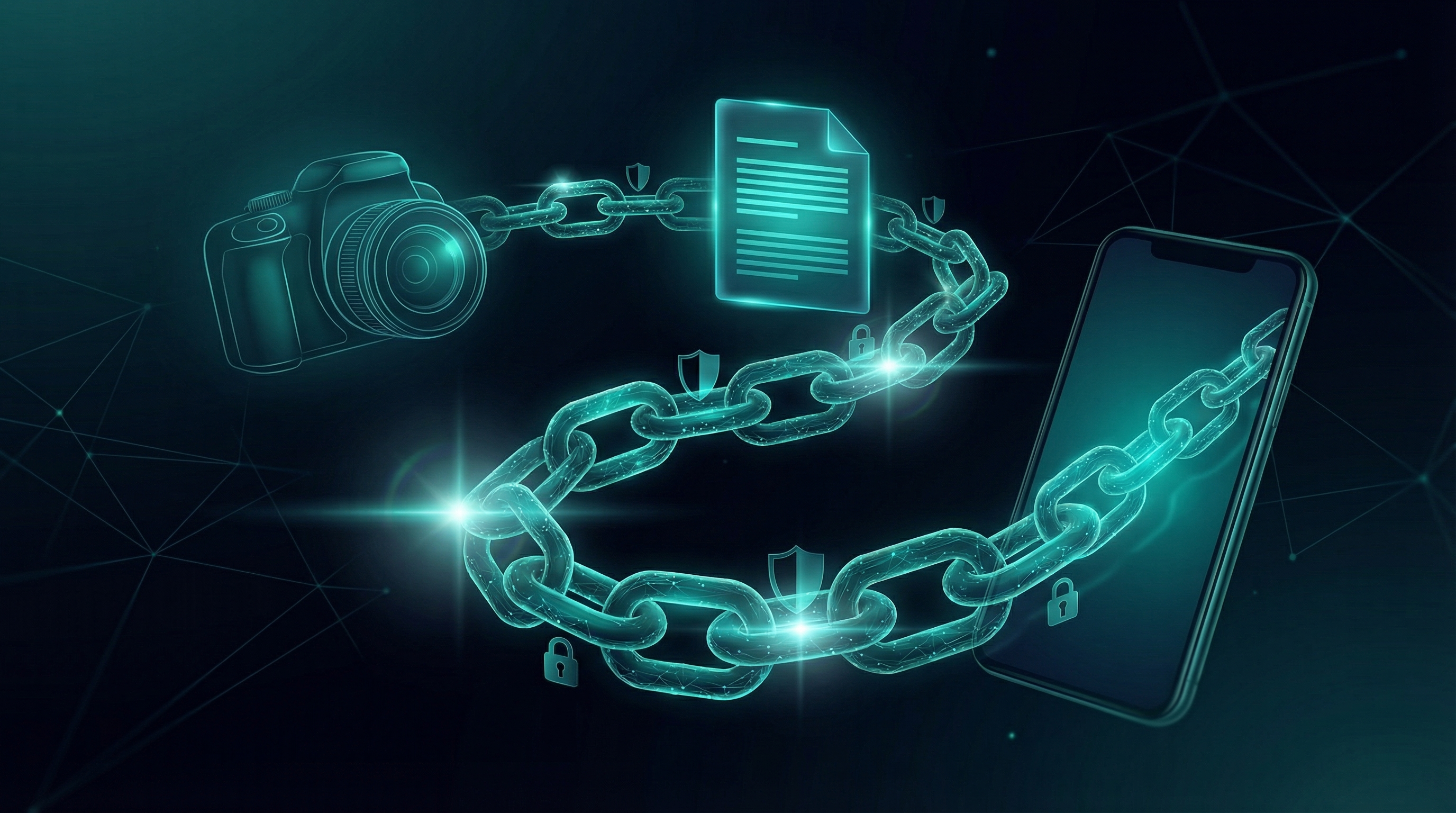
A coalition of Adobe, Google, Microsoft, Meta, Sony, and dozens more has built C2PA: a technical standard that attaches a verifiable history to every image and video. Here is how it works and where it falls short.
The AI Incident Database's February 2026 report confirms deepfake scams are no longer niche. Here's what industrialised fraud looks like and how to protect yourself.
On February 20, India's amended IT Rules came into force, introducing mandatory AI content labels and a 3-hour takedown window. Here's what changed and what it means for creators and everyday users.
A creator who has never visited Croydon made AI-generated 'decline porn' videos that hit 8 million views in a day. Here's how this genre works, and how to spot it.
Learn the expert techniques to identify AI-generated images, from DALL-E to Midjourney. Discover the subtle artifacts that give away synthetic images.