That Celebrity Telling You to Invest Could Be a Deepfake: 7 Checks Before You Put In Money
A short video shows a famous actor, a cricket star, or a well-known business leader. They look straight into the camera and say they have found a guaranteed way to grow your money, and that you should join a special trading group before it closes. The face is right, the voice sounds close, and the ad is running on a platform you trust. None of it is real, and the money you send will never come back.
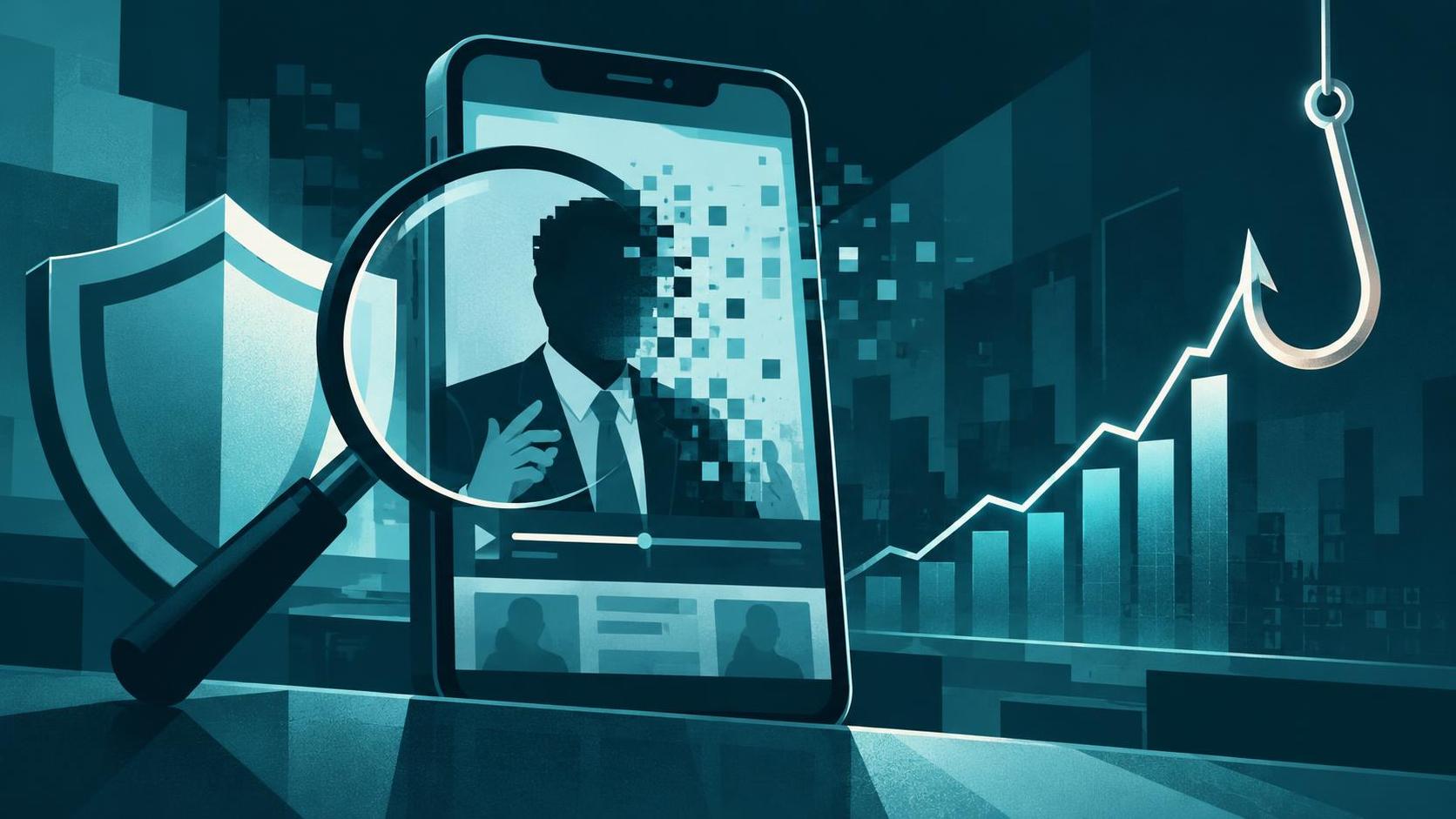
Fake celebrity endorsements have become one of the fastest growing scams in India and across South Asia. Fraudsters take a real clip of a famous person, then use AI to change the words coming out of their mouth so it looks like the star is personally recommending a trading app, a crypto scheme, or a stock tip group. These videos run as paid ads on social media, arrive as forwards on WhatsApp and Telegram, and sit inside slick fake news pages built to look like a real channel.
The pull is simple. If someone you admire and trust seems to be vouching for an easy, safe return, your guard drops. Regulators and the celebrities themselves have repeatedly warned that they never endorse such schemes, yet the videos keep spreading because they work. Here are seven checks before you believe a famous face and move any money.
The simple rule: No real celebrity, bank, or genuine fund will DM you a guaranteed return or herd you into a private trading group through a video ad. If a famous face is promising easy money and a ticking clock, the face is being used as bait.
1. The lips, voice, and expression do not quite line up
Deepfakes are better than they used to be, but they still slip. Watch the mouth closely. The lips often lag behind the words, form shapes that do not match the sounds, or blur at the corners during fast speech. The voice may sound flat, oddly even, or missing the natural breaths and pauses of real talking. The eyes can stay strangely still or blink at odd moments. Play the clip twice and focus only on the mouth the second time. Small mismatches that your brain glossed over the first time become obvious.
2. The promise is a guaranteed or fixed high return
Any pitch that guarantees profit is a lie, no matter whose face is attached. Markets carry risk, and no honest person promises a daily, weekly, or fixed percentage that never fails. Scam videos love round, dramatic claims, like doubling your money in a month or earning a steady sum every day. A real investor or advisor talks about risk and uncertainty. A scammer talks about certainty. The bigger and surer the promise, the faster you should close the tab.
3. It pushes you into a private group or app right now
The video almost always ends with a link. Join this WhatsApp group, add this Telegram handle, download this trading app, click before the offer closes. The urgency is the trick. Once you are inside the group, fake mentors and fake members post screenshots of huge profits to keep you excited and drown out doubt. A genuine investment is never a secret club you must enter in the next ten minutes. Pressure to act immediately is a scam signal on its own.
4. The app shows profits but will not let you withdraw
These scams often run through a fake trading platform that looks professional. Your dashboard shows your money growing beautifully, which makes you want to put in more. The trap springs when you try to take money out. Suddenly there is a tax to pay first, a minimum balance to reach, or a verification fee, each one demanding more money before you can withdraw a rupee. The profits on screen are just numbers typed by the scammer. If withdrawing requires paying in more, it is a fraud, and stopping now limits the damage.
5. The source is an ad or forward, not an official channel
Ask where the video actually came from. A sponsored ad, a forwarded clip, or a lookalike news page is not proof of anything. Go to the celebrity's own verified social account and check whether they have ever mentioned this scheme. Almost always you will find silence, or a clear warning that they do not endorse any such product. Real companies and real public figures announce partnerships openly on their official pages, not through anonymous ads that vanish after a few days.
6. The platform is not registered with the regulator
In India, anyone offering to advise on or handle stock market investments must be registered with SEBI, and genuine advisers carry a registration number you can verify. Fake schemes either invent a number, copy a real company's name with a tiny change, or avoid the question entirely. Before sending money, check the name against SEBI's public lists and be wary of any entity you cannot find there. A platform that cannot show you a verifiable registration has no business holding your savings.
7. They want crypto, UPI to a personal account, or gift cards
Look at how they ask to be paid. Legitimate, regulated investments flow through proper accounts and leave a clear paper trail. Scammers prefer channels that are hard to reverse, like crypto wallets, UPI transfers to a personal number, or payments routed through odd third parties. If the money is going to an individual rather than a verifiable registered company, or into a wallet you cannot trace, treat it as gone the moment you send it.
What to do if you have already paid
Act fast, because speed matters most in the first hours. Stop all further payments, even the ones they say will unlock your withdrawal. Call your bank immediately to flag the transaction and try to freeze or reverse it. Save everything, the video, the group chats, the app, the payment records, and the handles involved. Report the fraud at the cyber helpline 1930 and at cybercrime.gov.in, and report the fake ad or video to the platform it ran on. Do not pay a single rupee more in the hope of recovering what you lost, because that is exactly the next trap.
The family rule for celebrity money tips
Agree at home that a famous face in a video is never a reason to invest. Tell parents and relatives that AI can now make any celebrity appear to say anything, and that real investment decisions are made slowly, with registered advisers, not through ads and forwards. Before anyone in the family acts on a tip, run it past someone else and check the celebrity's official account. A quick pause and a second opinion defeat almost every one of these scams.
How FakeOut helps
These scams live and die on a convincing video of a real person. FakeOut helps you check whether a clip or image may have been generated or manipulated before you trust the face in it. When a celebrity seems to be handing you a sure thing, run the video through a check first, so a fake face cannot talk you out of your savings.