That Instant Loan Approval Message Could Be Fake: 7 Checks Before You Apply
A message says you are pre-approved for a personal loan, salary advance, student loan, or emergency credit. It promises money in minutes. Before you upload documents, pause.
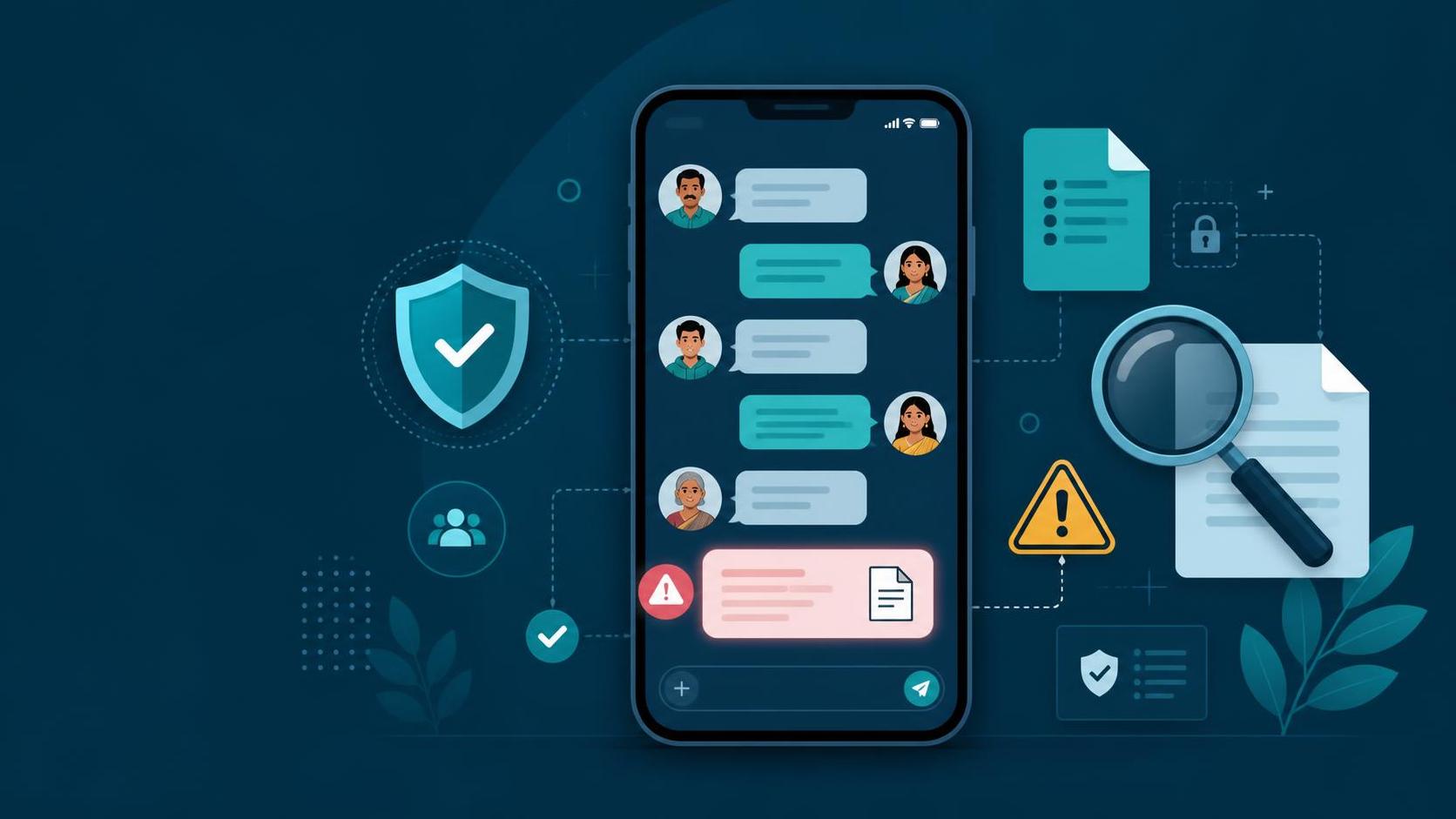
Instant loan scams work because they arrive at the exact wrong moment. School fees are due. Rent is late. A medical bill is waiting. A small business needs cash before the weekend. Then a WhatsApp, SMS, or Telegram message appears with a friendly line: approved loan, no paperwork, no credit check, money today.
Some of these messages come from illegal lending apps. Others are pure phishing. They copy bank-style language, create fake approval letters, use edited screenshots, and push you into sharing Aadhaar, PAN, salary slips, selfies, bank statements, OTPs, or a small processing fee. The first amount looks harmless. The damage can be much bigger.
The simple rule: Do not apply for a loan from a forwarded message or chat link. Verify the lender, app, website, and fee demand outside the message before you share documents or pay anything.
1. The lender name is vague or slightly wrong
Scam messages often use names that sound close to banks, NBFCs, fintech apps, or government schemes. Look for tiny spelling changes, generic names like "RBI approved loan department," or a logo pasted onto a poster. Search the lender yourself. Do not trust the link in the message as your proof.
2. The approval comes before any real check
A real lender needs to verify identity, income, credit history, repayment ability, and bank details. Be careful if a stranger says a large amount is already approved with no checks at all. Fast approval exists, but magic approval from an unknown chat account is a warning sign.
3. You are asked to pay before disbursal
Processing fees, GST, insurance, file charges, account activation, and penalty unlock fees are common traps. The scammer may promise that the fee is refundable after disbursal. Once you pay, a new fee appears. If a loan requires repeated upfront payments through UPI or a personal account, stop.
4. The app asks for contacts, gallery, SMS, or screen access
Some illegal lending apps collect far more data than they need. They may access your contact list, photos, messages, call logs, or storage, then use that data for harassment if you miss a payment. A loan app does not need your entire gallery or permission to read every SMS. Review permissions before installing anything.
5. The approval letter is only an image
Scammers send polished approval certificates, sanction letters, ID cards, and receipt screenshots to make the process feel official. Treat these as claims, not proof. Images can be edited quickly. Check whether the loan offer exists inside the official app or website after you navigate there yourself.
6. The agent moves you to a private chat
A fake loan agent may move you from an ad, SMS, or public comment into WhatsApp or Telegram, then ask for documents one by one. They may avoid email, refuse to share a registered office address, or pressure you to decide before the offer expires. Real lenders do not need secrecy to process a basic loan.
7. The message asks for OTPs or remote access
No lender needs your banking OTP, UPI PIN, card PIN, screen-sharing session, or remote support app to approve a loan. These requests can give scammers direct access to your bank account. If anyone asks you to read an OTP aloud or share your screen during a loan application, end the conversation.
What to do before you apply
Use a clean path. Search for the lender yourself, open the official website or app store listing, and check the developer name, reviews, privacy policy, and customer support details. In India, also look for whether the lender is a bank, NBFC, or working with a regulated entity. If the message claims government backing, verify it through an official government domain, not a poster.
What to do if you already shared documents
Save the chat, phone number, payment details, app name, website URL, and screenshots. If money was taken, report it quickly through your bank or UPI app. In India, report online financial fraud through 1930 and cybercrime.gov.in. If you installed an unknown app, remove its permissions, uninstall it, and watch for misuse of your documents or contact list.
The family rule for loan messages
Agree on one household rule: nobody shares Aadhaar, PAN, selfies, salary slips, bank statements, OTPs, or upfront fees for a loan that arrived through a forwarded message. If money is urgent, the check matters even more. Scammers depend on stress. A ten-minute pause can save months of cleanup.
How FakeOut helps
Fake loan scams often rely on edited approval letters, fake agent IDs, manipulated payment receipts, and screenshot-based proof. FakeOut helps you check whether an image or screenshot may have been manipulated before you trust it, forward it, or act on it.