That Perfect Matrimonial Match Could Be an AI-Made Fake: 7 Checks Before You Trust the Profile
A profile appears with a warm smile, a steady job abroad, and a family that sounds just right. The photos are flawless and the messages are sweet. Then, after a few weeks of talking, come the requests for money, for a visa fee, a customs charge, or help with a sudden emergency. The person you fell for may never have existed at all.
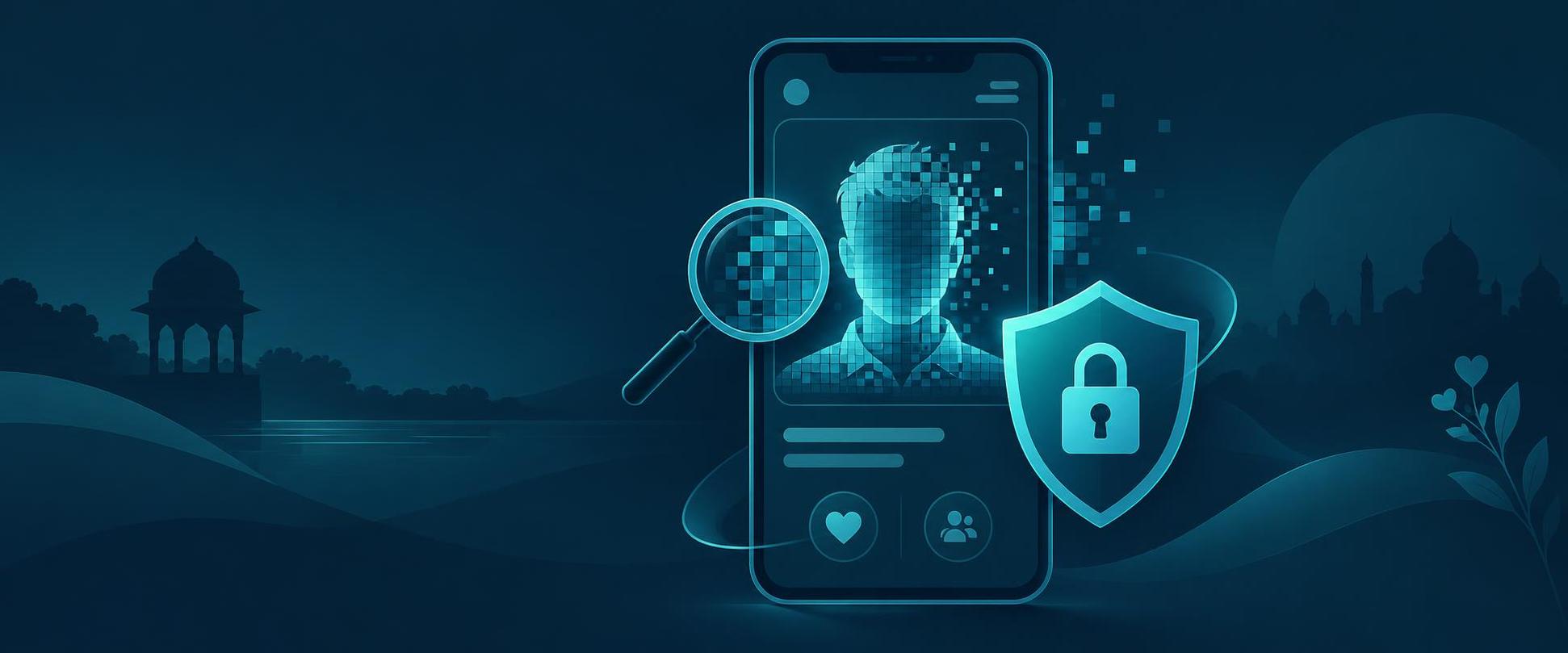
Matrimonial fraud has moved into a new phase. India's cybercrime coordination centre has warned that scammers are flooding matrimonial sites and apps with fake profiles, often posing as wealthy professionals or NRIs living abroad. What makes 2026 different is the tooling. Generative AI now lets a fraudster build a convincing face, a full photo album, and even a short video of a person who does not exist. The result looks real enough to pass a quick glance, and that is all most people give a profile before they start talking.
The emotional setup is the dangerous part. These scams move slowly, build real feeling, and often involve the family too. By the time money is asked for, the victim is invested in a future they have pictured for weeks. Here are seven checks before you trust a profile that feels too good to be true.
The simple rule: A genuine match will meet you and your family in the real world before anything serious. Anyone who stays behind a screen, avoids a live and spontaneous video call, and then raises money is not looking for marriage. They are running a script.
1. The photos look flawless and strangely consistent
AI faces tend to be a little too perfect. The skin is smooth, the lighting is even, and every photo looks studio-made with no messy, ordinary shots. Look closely at the edges. Hands with odd fingers, earrings that do not match, hair that melts into the background, or a blurry wedding guest behind a crisp face are all common tells. Real people have real albums full of imperfect pictures from different years, phones, and places. A profile with only a handful of glossy images is worth a second look.
2. A reverse image search turns up nothing, or someone else
Save a profile photo and run it through a reverse image search. A real person usually leaves some trace online across the years. A purely AI-made face often returns no match at all, which is itself a warning. Worse, the search may show the photo belongs to a stranger, a model, or a stock library, which means the images were stolen and reused. Either outcome tells you the face in front of you is not the person you are talking to.
3. They dodge a live, unplanned video call
Ask for a normal video call at a moment you choose, not one scheduled days ahead. Scammers using fake faces will stall with excuses about a bad network, a busy job, or shyness. If a call does happen, it may be short, frozen, oddly lit, or strangely out of sync between the lips and the voice. Deepfake video still struggles with sudden movement, so ask them to turn their head, wave a hand near their face, or hold up a written note. A real match will happily do it. A fake will find a reason not to.
4. The story is impressive but impossible to verify
The profile often claims a high-paying job abroad, a degree from a famous university, and a settled life overseas. Yet none of it can be checked. There is no company email on a real domain, no colleagues or friends you can find, and no social media history that stretches back years. A life that exists only inside the chat, with no roots anywhere else, is a built character. Ask for specifics and watch how fast the details turn vague.
5. Things move fast and get emotional quickly
Within days you are special, you are the one, and talk turns to marriage and a shared future. This rush is deliberate. Strong feeling clouds careful thinking, and a person who is already dreaming of a wedding stops asking hard questions. Scammers also push to move off the matrimonial app and onto WhatsApp or Telegram early, where there is no platform record and no moderation. Genuine families take their time. Speed and intensity are tools, not love.
6. Money enters the picture, always with a reason
This is where the trap closes. A gift is supposedly stuck in customs and needs a release fee. A visa or travel cost comes up just before the planned visit. A parent falls ill and needs urgent help. The amounts may start small and grow. No honest partner you have never met in person should be asking you to transfer money, buy gift cards, or share bank and OTP details. The moment marriage talk turns into a payment request, treat it as fraud and stop.
7. They resist meeting you or your family in person
Every genuine match eventually leads toward families meeting and a face-to-face introduction. A fake profile keeps the meeting always just out of reach. The visit is booked and then cancelled, the flight is delayed, the family is traveling. For an NRI match, insist on a video call that includes their family, and be wary if that never happens. If someone cannot or will not meet after weeks of serious talk, the relationship is not real.
What to do if you are already involved
Stop sending money the instant you suspect a scam, no matter what emergency they describe. Save every chat, photo, profile link, and payment record as evidence. Report the profile to the matrimonial platform so it can be taken down, and report the fraud at the cyber helpline 1930 and at cybercrime.gov.in. If you shared bank details or an OTP, call your bank at once to secure your accounts. Feeling embarrassed is normal, but these scams are built by professionals to fool careful people, and reporting quickly protects both you and the next target.
The family rule for matchmaking online
Agree at home that no match becomes serious until the families have met and the person has been seen on a live video call. Tell parents, siblings, and anyone searching for a partner that AI can now fake a face, a voice, and a whole backstory. Share photos with the family before trusting them, and treat any request for money before a real meeting as a clear sign to walk away.
How FakeOut helps
These scams stand or fall on their photos, and AI-made faces are now good enough to fool a quick look. FakeOut helps you check whether a profile picture or a shared image may have been generated or manipulated before you trust the person behind it. When a match looks perfect, run the photo through a check first, so your heart is not the only thing deciding.