That Easy Work From Home Job on WhatsApp Could Be a Scam: 7 Checks Before You Say Yes
A message arrives offering part-time work from home. Just like some videos, rate a few hotels, complete small tasks, and earn a few thousand rupees a day. The first payment really lands in your account, so it feels genuine. Then the tasks start asking you to deposit your own money to unlock bigger rewards, and that money never comes back.
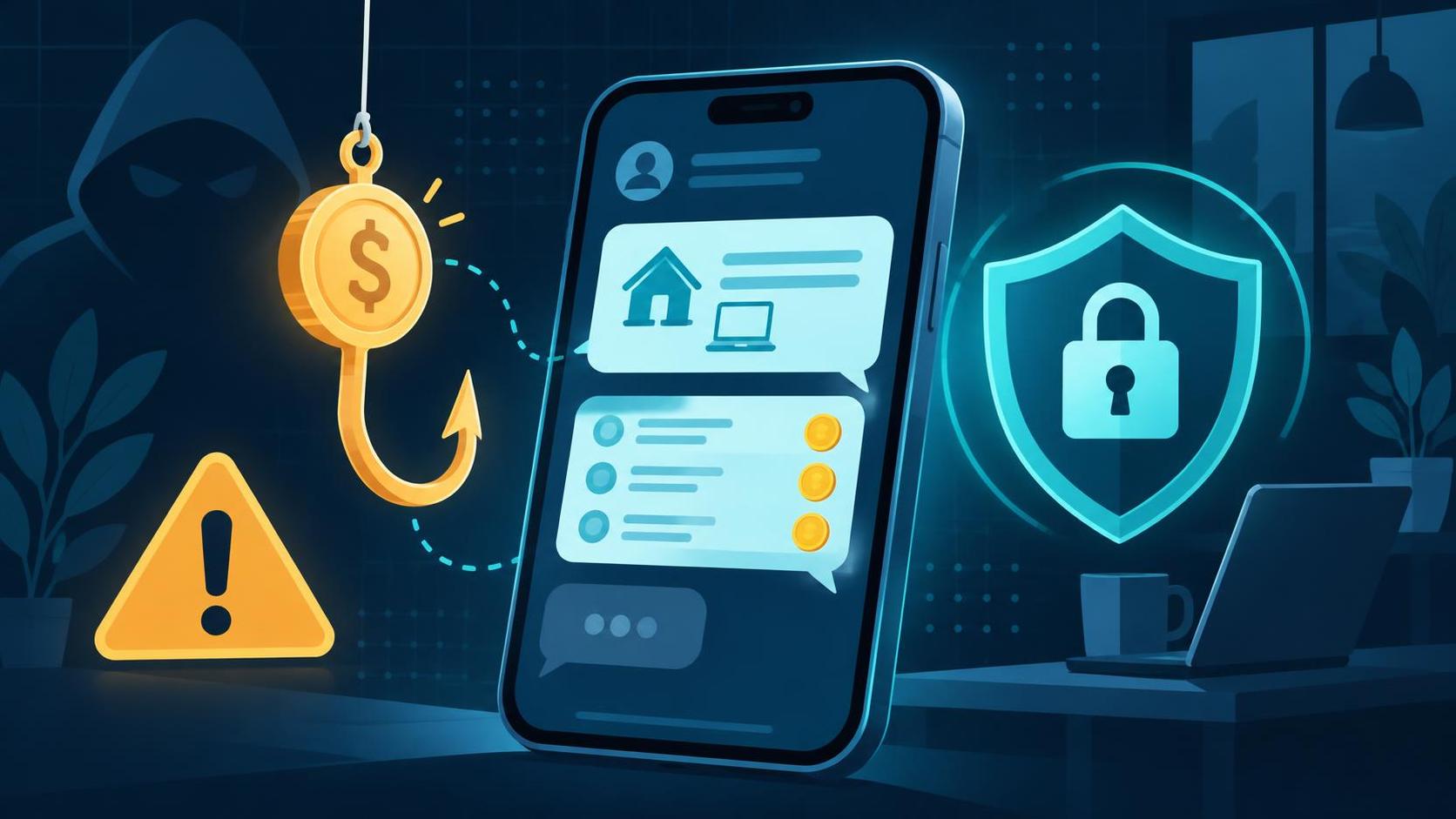
Task-based job scams have become one of the most common frauds in India, and they spread through WhatsApp and Telegram all day long. The offer sounds harmless. You do simple online tasks, like liking YouTube videos, rating hotels on a website, or following social media pages, and you get paid for each one. To build trust, the scammers actually pay you a small amount at the start, sometimes a few hundred rupees. That real payment is the bait, because once you believe the money is genuine, you stop asking questions.
The trap closes when the tasks turn into prepaid tasks. You are told that to unlock a higher commission, you must first deposit your own money into a wallet or a trading-style app. The screen shows your balance growing nicely. But when you try to withdraw, there is always one more fee, one more tax, one more deposit needed. The balance on the screen is fake. Your real money is gone. Here are seven checks before you accept any easy job you never applied for.
The simple rule: A real job pays you to work. It never asks you to pay first, deposit money, or recharge a wallet to receive your earnings. The moment a job asks you to put money in, it is a scam.
1. You never applied for it
The message arrives out of nowhere from an unknown number, often claiming to be from a hiring agency or a well-known brand. You never sent a resume, never attended an interview, and never heard of the company before. Genuine employers do not pick random phone numbers and offer high-paying jobs on WhatsApp. If an offer lands without any application from you, treat it as an advertisement for a scam, not a real opportunity.
2. The pay is huge for almost no skill
Rate a few videos, earn five thousand rupees a day. Like some pages, earn a weekly salary a normal job would take a month to pay. The numbers are deliberately large to switch off your judgment. Ask yourself why anyone would pay that much for work a child could do in minutes. Real pay matches real effort and real skill. Money that looks too good for the task is the clearest sign something is wrong.
3. A small first payment really arrives
Many people assume a scam never pays anything, so the early payment feels like proof the job is real. It is the opposite. That small amount is an investment by the scammers to earn your trust before they ask for much more. Treat an unexpected first payment from an unknown job as a warning, not a reassurance. The cost of that bait is tiny compared to what they plan to take from you later.
4. You are asked to deposit money to earn more
This is the heart of the fraud. At some point the tasks change. To unlock a bigger commission, complete a merchant task, or correct an error, you must first send your own money. This is sometimes called a prepaid task. No legitimate job works this way. Earnings flow from the employer to you, never the other way. The instant a job asks you to pay, recharge, or deposit anything, stop and walk away.
5. You are moved to Telegram and a group of happy earners
After the first contact, you are usually pushed into a Telegram chat or a group full of members posting screenshots of big withdrawals and thanking the boss. Those members are fake or paid, and the screenshots are easy to forge. The crowd is there to create pressure and make you feel left behind. A real job does not run on a hype group cheering you to deposit more. Treat that excitement as a stage set built to rush you.
6. Withdrawals keep hitting new fees
When you try to take your money out, the app blocks you until you pay a tax, a service charge, a membership upgrade, or a penalty for withdrawing early. Each fee you pay unlocks another one. This loop is designed to drain you as deep as you will go. The balance you see is just a number on a screen they control. Once withdrawal needs a payment from you, understand that the money shown is not real and none of it is coming.
7. There is no real company you can verify
Ask for the company name, a registered address, an official email on the company domain, and a landline. Scammers go vague, send a slick but empty website, or share a logo copied from a real firm. Search the company along with the word scam, and check for an office you could actually visit. If the only contact is a WhatsApp number and a payment wallet, there is no employer behind it, only a trap.
What to do if you already paid
Stop sending money the moment you suspect a scam, no matter how much they promise is waiting. Call your bank at once to try to freeze or reverse the transfer, and save every chat, payment receipt, and app detail as evidence. Report the fraud at the cyber helpline 1930 and at cybercrime.gov.in as fast as you can, because quick reporting gives the best chance of recovery. Do not pay a recovery agent who later promises to get your money back for a fee, as that is a second scam targeting the same victims.
The family rule for job offers
Agree at home that no real job ever asks you to pay to get paid. Share this with students, homemakers, and anyone looking for extra income, because they are the main targets of these offers. Tell them plainly that an unexpected high-paying task job on WhatsApp or Telegram is a scam, and that the right response is to block the number and report it, not to try one task and see.
How FakeOut helps
These scams lean heavily on fake proof: forged payment screenshots, doctored withdrawal receipts, and fake earning dashboards meant to make the whole thing look real. FakeOut helps you check whether an image or screenshot may have been manipulated before you trust it, deposit money, or forward it to someone who might fall for it.