That Traffic E-Challan Message Could Be Fake: 7 Checks Before You Pay
A message says you broke a traffic rule, a fine is due today, and your license or vehicle will be blocked unless you pay through a link. It looks official and it is timed to make you panic. Slow down before you tap.
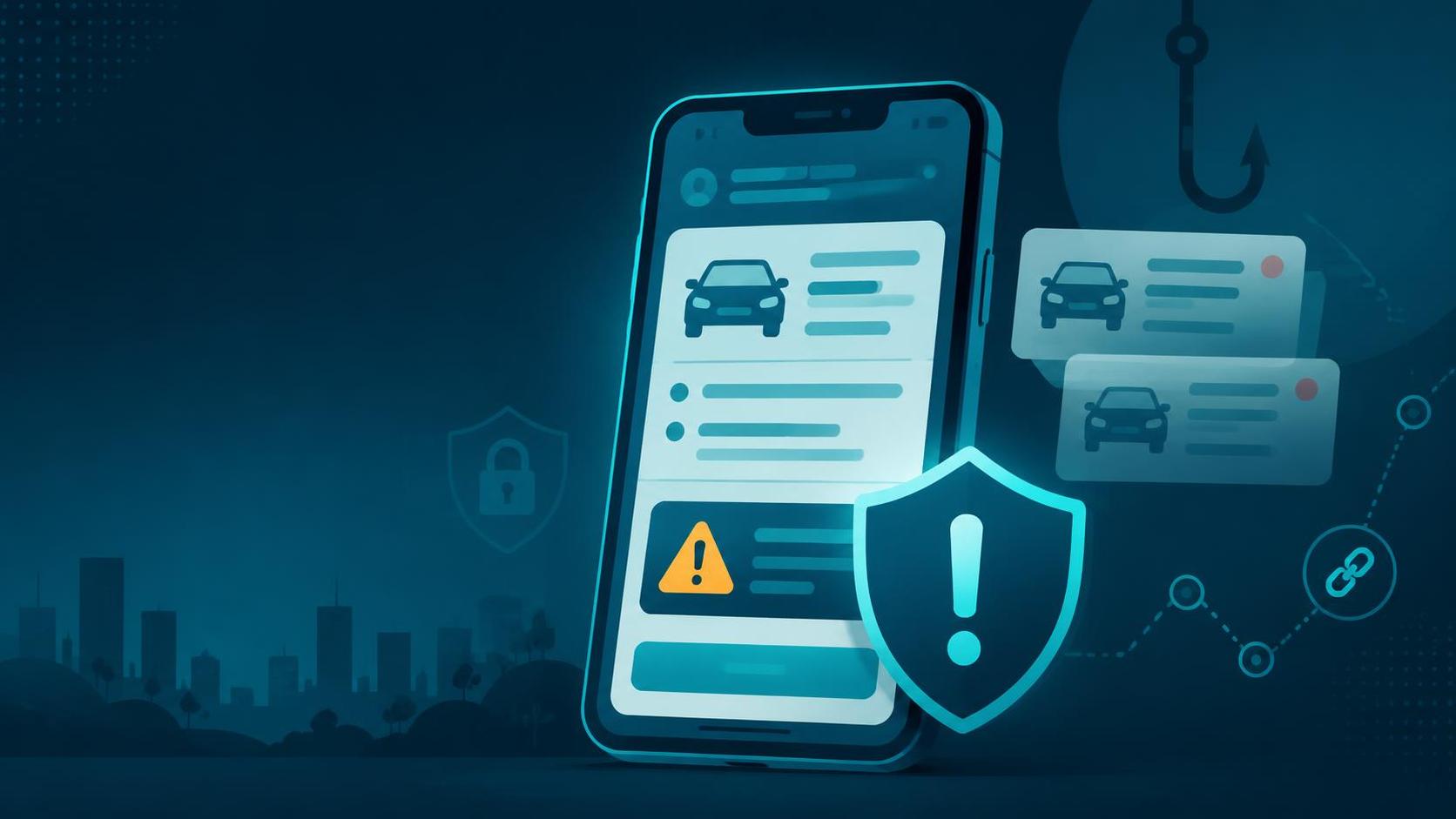
Fake traffic challan scams have spread fast across India and among people who drive on visits home. The message claims you were caught for speeding, jumping a signal, wrong parking, or a missing document. It shows a challan number, a vehicle number, and a payment link with a short deadline. Many people own a car or bike, so the message feels plausible to almost anyone.
Scammers rely on two feelings: guilt and fear. You cannot instantly remember every place you drove, so a fine sounds possible. The threat of a blocked license, court case, or extra penalty makes you act before you think. The link then leads to a fake payment page or an app that steals your money and bank access.
The simple rule: Never pay a traffic fine from a link inside a message. Check any challan only on the official government transport site or app, using your own vehicle number.
1. The message pushes a deadline and a threat
Fake challans almost always say pay today, pay within hours, or face license suspension, court, or a doubled fine. Real enforcement does not chase you through WhatsApp with a countdown. The pressure exists to stop you from checking. When a message rushes you, treat that alone as a warning sign and slow down.
2. The link is not the official government domain
Genuine challans in India are handled through official portals such as the Parivahan e-challan system and state transport pages. Scam links use lookalike names, extra words, shortened URLs, or odd endings that only resemble the real thing. Do not tap the link. Open your browser yourself and go to the official site directly, or use the official app.
3. The message asks you to install an app or APK
Some fake challans tell you to install an app to view or pay the fine, often as a file sent in chat. That file can be spyware that reads your SMS, captures OTPs, and drains your accounts. No traffic department needs you to sideload an app from a message. Only use apps from the official Play Store or App Store listing.
4. The details do not match your vehicle
Check the vehicle number, location, date, and offence against reality. Scammers often send the same template to thousands of numbers, so the challan may show a place you never drove or a vehicle you do not own. If the details are vague, wrong, or missing, it is very likely fake. A real challan ties to your actual registration number.
5. The payment page asks for card, OTP, or UPI PIN
A fake payment page may ask for your full card number, CVV, OTP, net banking login, or UPI PIN. Remember that you never enter a UPI PIN to receive or confirm a payment, only to send money. If a challan page asks for a PIN or OTP to complete a small fine, it is trying to take money from you, not collect a penalty.
6. The sender is a personal number or unknown ID
Look at who sent it. A random mobile number on WhatsApp, a Telegram account, or an unofficial sender ID is not how official challans reach you. Scammers also spoof names to look like a department. The sender name means little on its own, so verify the challan through the official portal rather than trusting the contact.
7. The message mixes a fine with a refund or reward
Some versions add a twist: pay now and get a discount, or you overpaid earlier and are due a refund, so confirm your bank details. This is a trick to collect account numbers and OTPs. A traffic fine is not a shopping offer. Any challan that offers cashback, refund, or a limited discount is a scam.
How to check a challan the safe way
Do not use the link in the message. Open the official Parivahan e-challan portal or your state transport department site yourself, or use their official app. Enter your vehicle number or challan number there and see whether a real fine exists. If nothing shows up, the message was fake. If a real fine exists, pay only through the official site, and keep the receipt.
What to do if you already tapped or paid
If you entered card, bank, or UPI details, contact your bank at once and block the card or freeze the account. Change passwords and remove any app you installed from the message. Save the message, link, number, and any screenshots. In India, report financial fraud through 1930 and cybercrime.gov.in, and tell your family so they do not fall for the same template.
The family rule for challan messages
Set one rule at home: nobody pays a traffic fine from a link, and every challan gets checked on the official portal first. This protects parents, new drivers, and relatives abroad who worry about vehicles back home. A real fine will still be there when you check calmly. A fake one disappears the moment you look.
How FakeOut helps
Fake challan scams often lean on edited notices, fake official screenshots, copied logos, and forged payment receipts. FakeOut helps you check whether an image or screenshot may have been manipulated before you trust it, pay from it, or forward it.